
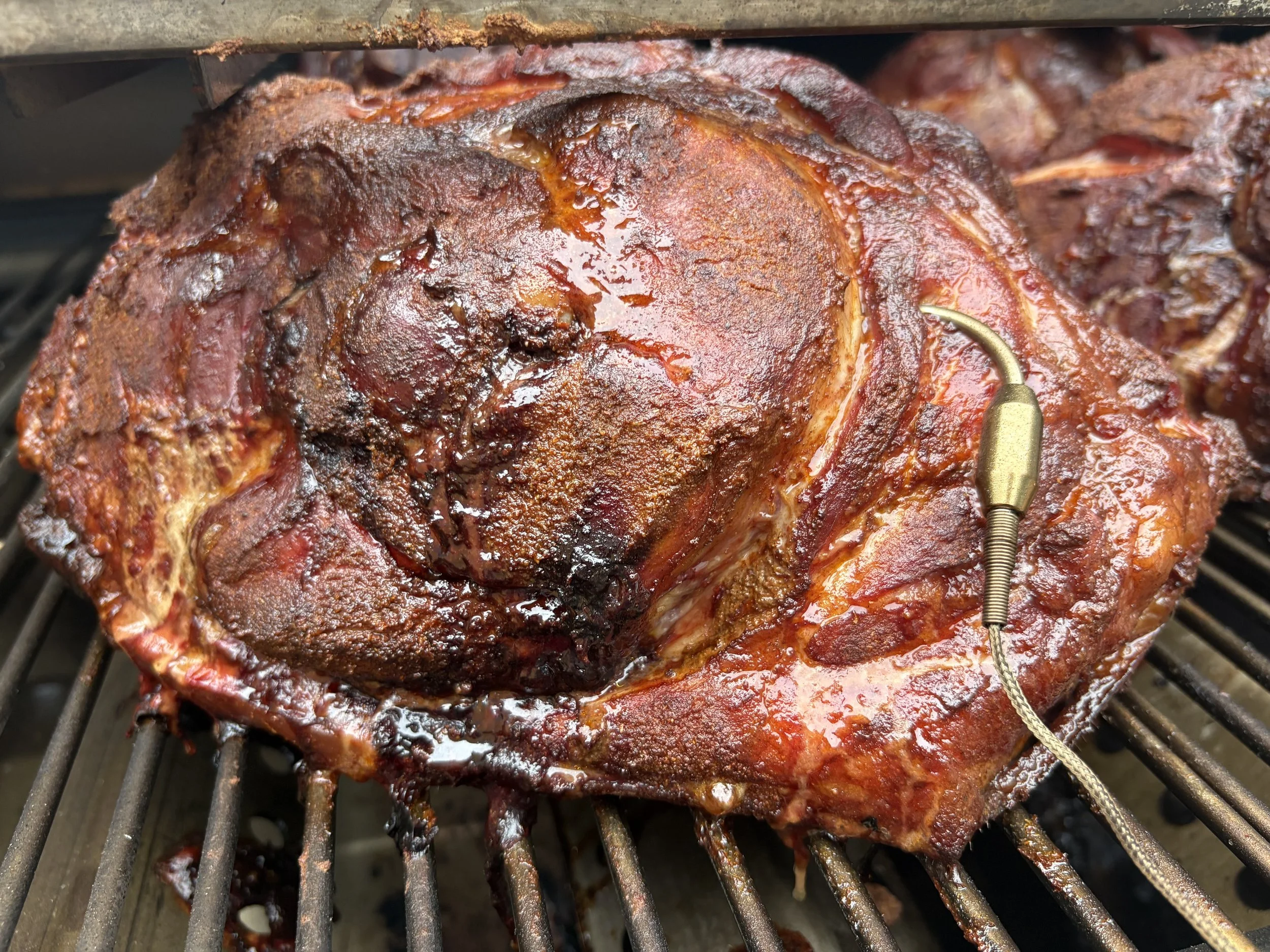
The 5 Biggest Mistakes People Make When Smoking Pork Shoulder
It All Begins Here
Learn the common mistakes that can turn a great cut of meat into a disappointing meal, and how a few simple adjustments can produce tender, flavorful pulled pork every time.
Pork shoulder is one of the most forgiving cuts you can put on a smoker. It is loaded with fat, packed with flavor, and relatively inexpensive compared to brisket. Yet every year backyard cooks end up with dry, tough, or bland pulled pork because of a handful of common mistakes.
The good news is that most of these problems are easy to avoid once you know what to watch for.
1. Pulling It Off Too Early
This is probably the biggest mistake people make.
Many first-time cooks see their pork shoulder reach 165°F or 180°F and assume it is done. In reality, the meat is still in the middle of breaking down. The connective tissue needs time and heat to transform into the rich, silky texture that makes pulled pork so good.
Most pork shoulders are ready somewhere around 200°F to 205°F internal temperature, but temperature alone is not the best indicator. The real test is how it feels.
When a thermometer slides into the meat with almost no resistance, like pushing into softened butter, the shoulder is ready.
2. Panicking During the Stall
Every barbecue cook experiences the stall sooner or later.
Your pork shoulder climbs steadily in temperature, then suddenly seems stuck for hours. Many people assume something is wrong and start turning up the heat dramatically.
Nothing is wrong.
The stall happens because moisture evaporating from the surface cools the meat at nearly the same rate the smoker is heating it. It is completely normal.
You can simply wait it out, or wrap the shoulder in butcher paper or foil once it reaches around 160°F to 170°F. Either approach works. The important thing is not to panic and start chasing temperatures.
3. Not Seasoning Aggressively Enough
A pork shoulder can weigh eight pounds or more. That is a lot of meat.
Many cooks sprinkle on a light dusting of seasoning and wonder why the finished product tastes bland. A shoulder can handle a generous coating of rub without becoming overpowering.
Salt, black pepper, paprika, garlic, onion, and a touch of brown sugar create a solid foundation. Apply enough rub that the surface is fully covered and let it sit while the smoker comes up to temperature.
Remember, once the meat is pulled and mixed together, the seasoning becomes much more subtle than it looked on the outside.
4. Skipping the Rest
After ten or twelve hours of cooking, it is tempting to shred the pork immediately and start eating.
Resist the urge.
Resting allows the juices to redistribute throughout the meat. If you pull it too soon, much of that moisture ends up on the cutting board instead of in your sandwich.
Wrap the shoulder and let it rest for at least an hour. Two hours is even better if you have the time. A well-insulated cooler works perfectly for holding temperature while the meat rests.
The difference in tenderness and moisture is worth the wait.
5. Focusing Too Much on Temperature and Not Enough on Feel
Barbecue is part science and part experience.
Thermometers are valuable tools, but they do not tell the whole story. Every pork shoulder cooks a little differently depending on size, fat content, weather conditions, and the smoker being used.
Instead of chasing an exact number, learn to pay attention to how the meat feels. When the probe slides in easily and the bone twists freely, you are usually in the sweet spot.
The best pitmasters use temperature as a guide, not as the final decision maker.
Great Pulled Pork Is Simpler Than You Think
You do not need competition equipment or decades of experience to make outstanding pulled pork. Most of the time, success comes from patience.
Give the meat enough time to finish cooking. Trust the process during the stall. Season it properly. Let it rest before pulling.
Do those things consistently and you'll be surprised how often people start asking what your secret is.
The truth is there isn't one. Just good barbecue and a little patience.
Why Great Barbecue Starts with Simple Seasonings
Skinner’s Northern Ember Pork Rub
Discover why the best barbecue isn't about complicated ingredient lists, but about balancing flavor, enhancing the meat, and letting quality ingredients shine.
Walk down the seasoning aisle of any store and you'll find barbecue rubs packed with ingredients you've never heard of. Some have ingredient lists so long they barely fit on the label. It can make you think great barbecue requires a secret formula known only to competition pitmasters and sauce companies.
The truth is usually much simpler.
Some of the best barbecue in the world starts with little more than salt, pepper, smoke, and time.
That's because great barbecue isn't about covering up the flavor of the meat. It's about bringing that flavor forward.
The Meat Should Still Taste Like Meat
A good pork shoulder has its own character. Beef brisket has its own flavor. Ribs have their own richness.
The job of seasoning is not to hide those qualities. The job of seasoning is to highlight them.
Think about a perfectly cooked steak. Most people don't reach for twenty different spices. A little salt and pepper is often enough because quality beef already brings plenty to the table.
Barbecue works much the same way.
When a rub becomes the only thing you can taste, something has been lost along the way.
Simple Doesn't Mean Bland
Some people hear "simple seasoning" and imagine boring food.
Nothing could be further from the truth.
Salt enhances flavor. Pepper adds warmth and depth. Garlic and onion contribute savoury notes. Paprika brings color and a gentle sweetness. Brown sugar can help balance smoke and spice.
None of these ingredients are complicated. The magic comes from how they work together.
A handful of familiar ingredients, used in the right proportions, can create a flavor profile that people remember long after the meal is over.
Smoke Does Most of the Heavy Lifting
One mistake many backyard cooks make is trying to force all the flavor into the rub.
Barbecue gets much of its character from the wood itself.
Whether you're cooking with oak, hickory, maple, or fruit woods, the smoke becomes part of the seasoning. It develops over hours, slowly building layers of flavor that no spice blend can replicate.
If the meat is good and the smoke is clean, you don't need to bury everything under an inch of seasoning.
Let the fire do its job.
Every Region Proves the Point
Look at the great barbecue traditions across North America.
Texas barbecue is famous for simple salt and pepper rubs. Carolina barbecue often relies on little more than basic seasoning and a vinegar sauce. Many traditional pitmasters built their reputations long before specialty spice blends filled store shelves.
Different regions have different approaches, but they all share one common idea: respect the meat.
The seasoning supports the barbecue. It doesn't become the barbecue.
Start Simple, Then Make It Your Own
One of the best ways to improve your barbecue is to simplify your seasoning.
Start with a basic blend. Learn what each ingredient contributes. Pay attention to how different woods affect flavor. Experiment slowly and make adjustments one ingredient at a time.
Before long, you'll develop a style that feels like your own.
Not because you found a secret ingredient, but because you learned how to get the most from the ingredients that have been working for generations.
Great Barbecue Doesn't Need a Secret Formula
The best barbecue has never been about chasing complicated recipes.
It's about patience. It's about quality ingredients. It's about understanding how smoke, seasoning, and time work together.
A simple rub won't make up for poor technique, but good technique can make a simple rub taste incredible.
Sometimes the oldest lessons around the fire are still the best ones.
Keep it simple. Cook it well. Let the barbecue speak for itself.
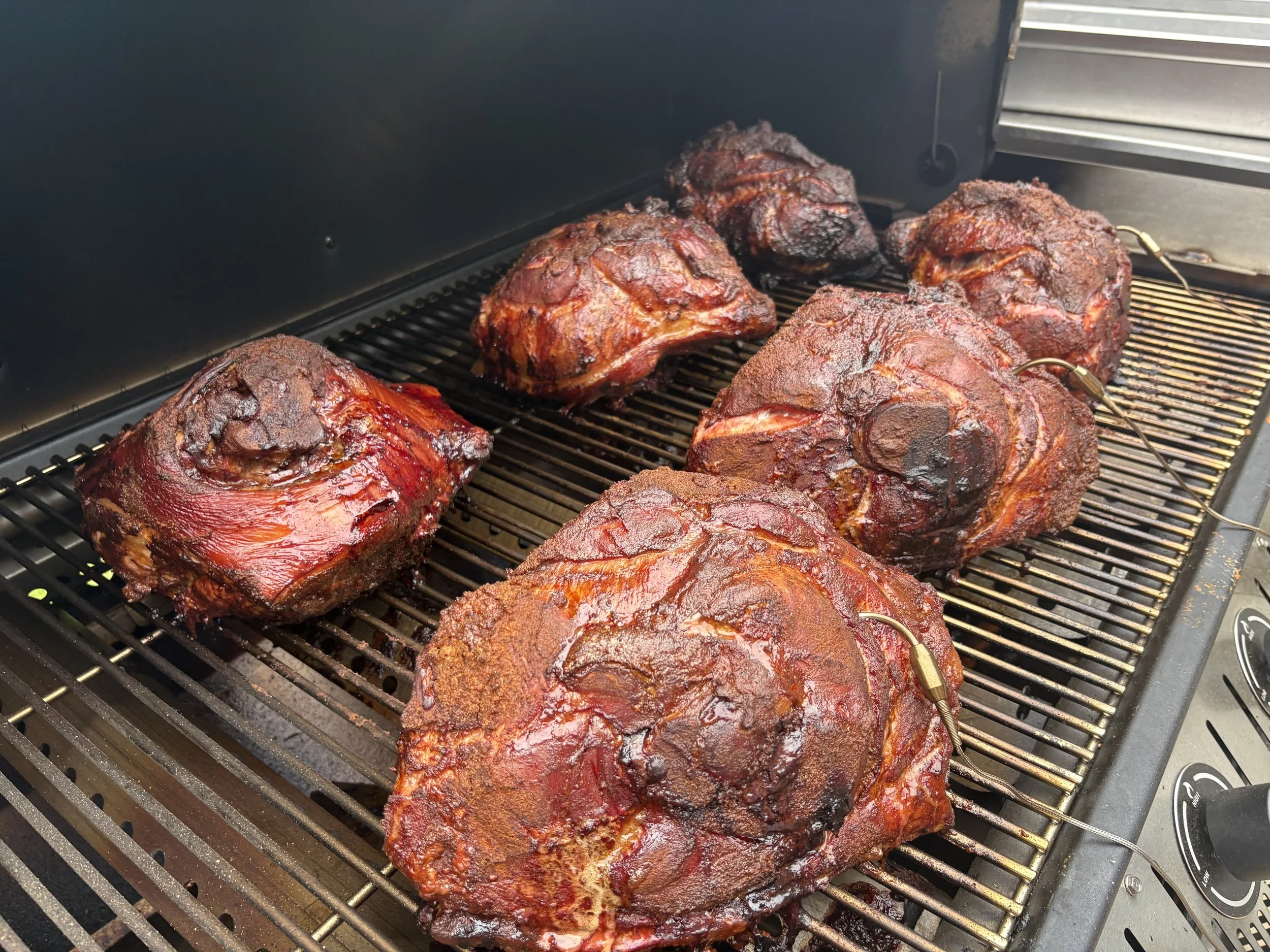
Feeding a Crowd: What I've Learned Catering BBQ Events
What I’ve Learned
From backyard gatherings to large catered events, these practical lessons can help you plan portions, avoid stress, and serve great food with confidence.
The first time you cook barbecue for a crowd, it's easy to focus on the wrong things.
You worry about whether the pork will be perfect. You wonder if people will like the sauce. You spend hours thinking about recipes and presentation.
Those things matter, but after feeding groups of all sizes, I've learned that successful catering is often about planning, timing, and staying calm when things don't go exactly as expected.
Here are a few lessons I've picked up along the way.
People Remember Running Out of Food
One of the biggest fears when catering an event is having leftovers.
The truth is that running out of food is usually a much bigger problem.
Most guests won't remember if you brought home an extra pan of pulled pork. They will remember standing in line and discovering there's nothing left for them.
When estimating portions, I always prefer to have a little extra rather than come up short. Leftovers can be repurposed, frozen, shared with staff, or enjoyed the next day.
An empty buffet line is much harder to recover from.
The Clock Is Just as Important as the Smoker
Barbecue takes time, and meat doesn't always follow a schedule.
A pork shoulder might finish earlier than expected. A brisket might decide it needs another two hours. Weather, equipment, and the meat itself all play a role.
One lesson I've learned is to finish early whenever possible.
A properly wrapped pork shoulder can rest for hours and still be hot when it's time to serve. The same goes for many barbecue items. Building extra time into your schedule creates a cushion that can save a lot of stress on event day.
No one complains when the food is ready early.
Simple Menus Are Easier to Execute Well
When planning an event, it's tempting to offer lots of choices.
More meats. More sides. More sauces.
In reality, a focused menu often delivers a better experience.
A well-executed pulled pork meal with fresh coleslaw, a good potato side, and quality buns usually makes a stronger impression than a complicated menu where every item receives only part of your attention.
Doing a few things well is almost always better than trying to do everything.
Hot Food Must Stay Hot
Food safety becomes much more important when serving larger groups.
Once the food leaves the smoker, the job isn't over. Holding temperatures, transporting food, and managing service all require planning.
Chafing dishes, insulated carriers, warming cabinets, and temperature checks may not be the exciting part of barbecue, but they're often what separates a professional event from a stressful one.
Guests may never notice the effort behind the scenes, but they'll appreciate food that arrives hot and ready to eat.
Expect Something to Go Wrong
Every event teaches you something.
A piece of equipment gets forgotten. Weather changes unexpectedly. A delivery arrives late. A recipe yields less than expected.
I've learned that flexibility is one of the most valuable skills in catering.
Problems feel smaller when you have backup plans. Extra foil, spare serving utensils, additional fuel, and a few contingency options can solve a surprising number of issues.
The goal isn't perfection. The goal is being prepared enough that small problems stay small.
Great Hospitality Matters More Than Perfection
When people gather around good food, they're usually there to celebrate something.
A family reunion. A graduation. A wedding. A community event.
Most guests aren't judging your bark, smoke ring, or seasoning ratios. They're enjoying time with friends and family.
The best barbecue events create an atmosphere where people feel welcome, comfortable, and well fed.
That's something no recipe can teach.
Feed People Well and the Rest Usually Follows
Barbecue has a way of bringing people together.
The smoke draws people in. The food starts conversations. The shared meal creates memories that often last longer than the event itself.
After every gathering, I seem to learn something new, but one lesson keeps showing up again and again: people don't expect perfection.
They appreciate good food, generous portions, and a host who genuinely cares about the experience.
Get those things right, and you're already most of the way there.
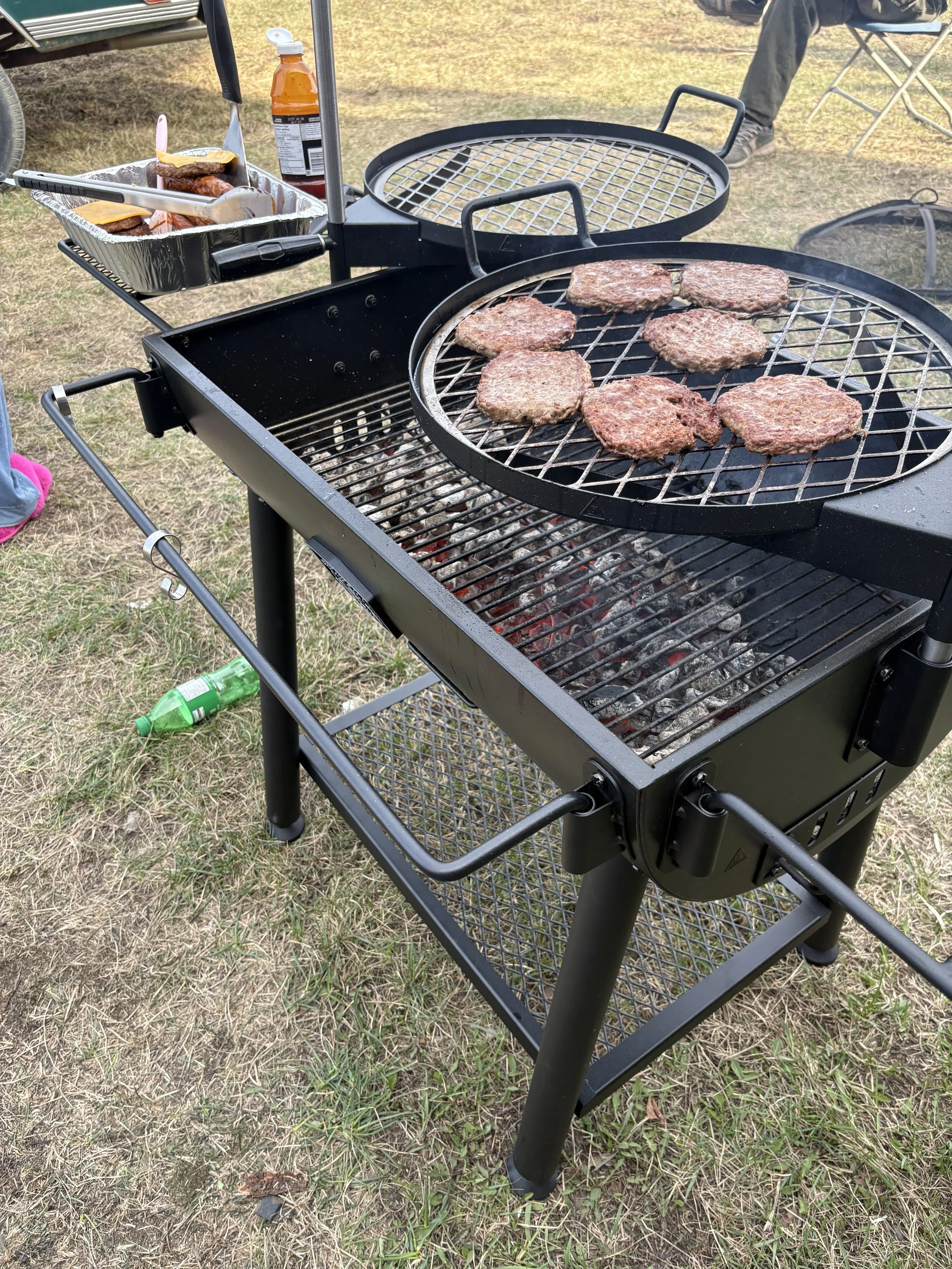
Why Food Tastes Better Around a Fire
Food around the fire.
From backcountry camps to backyard gatherings, there's something about cooking over flame that brings people together and turns an ordinary meal into a memorable experience.
Some of my favorite meals haven't happened in restaurants.
They happened around campfires, smokers, and backyard fire pits.
The food wasn't always perfect. Sometimes the weather didn't cooperate. Sometimes dinner took longer than planned. Yet years later, those are often the meals I remember most clearly.
I've come to believe that it isn't just the food that makes those moments special.
It's the fire.
Fire Slows Us Down
Most of modern life is built around speed.
We rush to work, rush through errands, and rush through meals. Convenience has become the goal.
Cooking with fire asks something different from us.
Whether you're tending a smoker, cooking over coals, or managing a campfire, you can't rush the process. The fire moves at its own pace.
You wait. You watch. You make small adjustments.
Somewhere along the way, the conversation starts flowing and people settle in.
The meal becomes more than something to eat.
Everyone Ends Up Gathering Around It
Watch what happens at almost any gathering.
People naturally drift toward the fire.
It might be a smoker running in the driveway. A fire pit in the backyard. A campfire at a campsite.
Before long, someone is asking what you're cooking. Someone else is telling a story. Another person is offering advice whether you asked for it or not.
The fire becomes a meeting place.
Long before smartphones, televisions, and social media, people gathered around flames. In many ways, not much has changed.
The Best Memories Rarely Come From Fancy Meals
Most people can remember a great meal from their childhood.
Often it isn't the most expensive meal they ever had.
It's the burger cooked at the lake. The fish caught that morning. The barbecue shared at a family reunion. The marshmallows roasted long after the sun went down.
The food matters, but the experience matters just as much.
Good meals become attached to stories.
Years later, we remember both.
Smoke Carries Its Own Kind of Nostalgia
There are certain smells that instantly bring back memories.
Fresh-cut grass. Rain on a warm day. Wood smoke.
The smell of smoke drifting from a smoker or campfire has a way of stopping people in their tracks.
It reminds us of camping trips, family gatherings, hunting camps, backyard celebrations, and long summer evenings.
Before the first bite is even served, the experience has already begun.
Barbecue Is About More Than Food
Great barbecue certainly tastes good, but that isn't the whole reason people love it.
Barbecue creates an excuse to gather.
It rewards patience. It encourages conversation. It brings people to the same table.
In a world that often feels rushed, barbecue asks us to slow down for a few hours and enjoy the company around us.
That's a tradition worth keeping alive.
Gather Around the Fire
At its heart, barbecue has never been just about meat, seasoning, or smoke.
It's about people.
It's about sharing stories while the fire burns low. It's about feeding friends, family, and neighbours. It's about creating the kind of moments that stay with us long after the plates have been cleared away.
The food gets people to the table.
The fire keeps them there.